
Japan × Denmark · since c. 2018
Japandi staging, with the restraint intact.
Low-profile Japanese furniture, Scandinavian pale wood, a deliberately restricted palette, and the breathing room both traditions demand. Not "minimalism with a chair."
Cinq crédits offerts — sans carte bancaire.
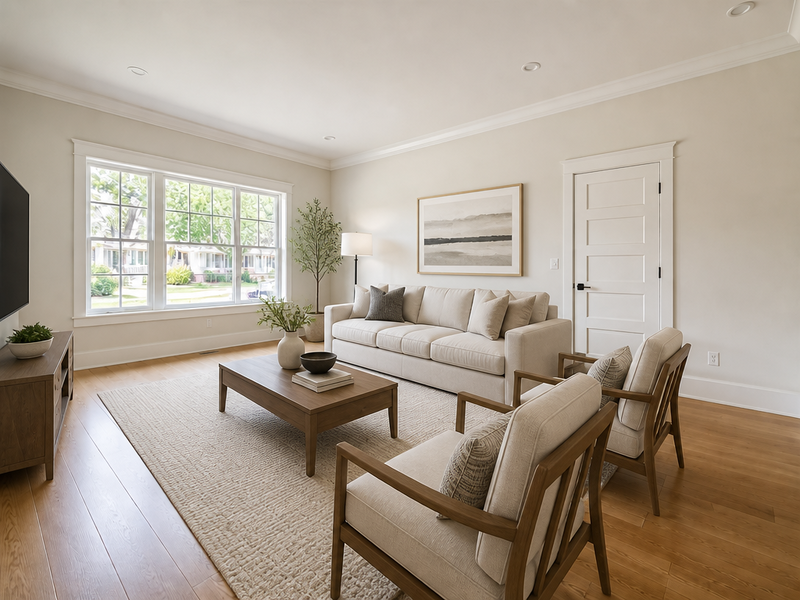 AvantAprès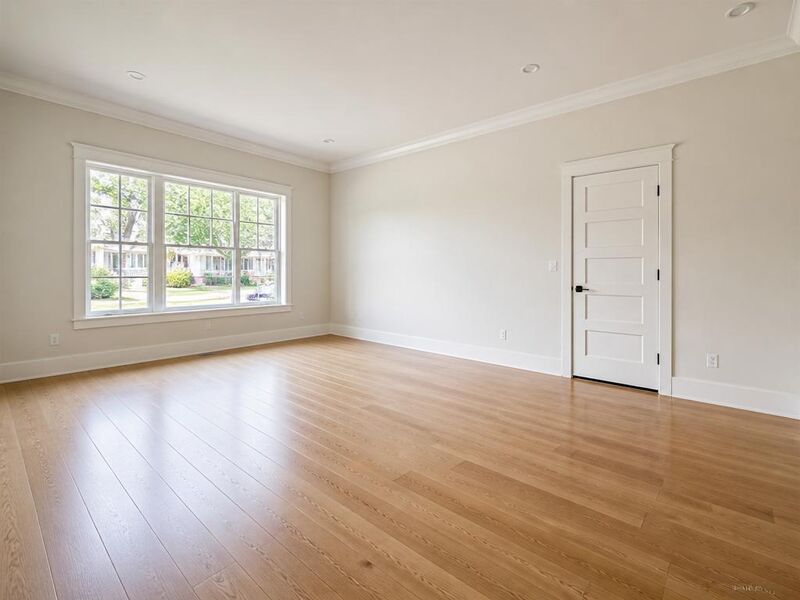
where it came from
Two restraint-driven traditions, finally noticing they spoke the same language.
Japandi is a recent label (it crystallized around 2018) for an old conversation. Danish designers Finn Juhl, Hans Wegner, and Børge Mogensen had been influenced by Japanese woodworking since the 1950s — exposed joinery, simple silhouettes, deference to material. Japanese designers like Sori Yanagi and George Nakashima had spent the same period absorbing Scandinavian functionalism. By the 2010s both lineages had matured into the same answer: low furniture, pale woods, ceramic and linen, a palette restricted on purpose, and rooms with deliberate empty space. The Japandi pack draws from both traditions in their original proportions — not the diluted version Instagram occasionally calls 'minimal scandi.'
the material vocabulary
Pale wood, raw ceramic, unbleached linen, paper.
- Ash, oak, paulownia
- Pale, matte, often left unfinished or oiled lightly. Used for low platform beds, dining tables, casework. The grain is visible; the color is honest.
- Raw ceramic and stoneware
- Single vessel per surface, in muted earth tones (clay, stone gray, off-white). Wabi-sabi imperfection is the point — not factory uniformity.
- Unbleached linen and cotton
- Neutral bedding, drapery, upholstery. Slightly rumpled, never crisp. The wrinkles are part of the design language.
- Paper and rice paper
- For light fixtures (Noguchi-style Akari lamps) and screens. Diffuses light softly without color cast.
- Charred or oiled black wood
- Used sparingly for grounding — a single accent piece, a frame, a low table. References shou sugi ban without becoming a theme.
the palette
Warm pale neutrals + one grounding deep tone. Never bright, never cool.
- Pale ash#D5C9B5Walls, bedding, casework
- Clay#B89B7ACeramics, accent textiles
- Charcoal#3E3933Single accent — a frame, a vessel, a table
- Off-white#EFE9DCCeilings, drapery, upholstery
- Moss green (sparingly)#7A8265Plant life, single ceramic piece
where it sings
Japandi photographs best in three contexts.
Bedroom — primary or guest
Low platform bed in ash, unbleached linen bedding, twin paulownia nightstands, one ceramic vessel, paper pendant overhead. Reads as calm without reading as a hotel.
Studio or junior one-bedroom condo
Japandi solves the small-condo problem better than any other style — low furniture keeps sightlines open, restricted palette keeps the space from feeling cluttered. For a 600-sqft downtown studio, the Japandi pack is the most flattering option in the library.
ADU, guest house, or backyard cottage
Detached small structures benefit from the same logic as small condos. Low ash bench seating, a single charred-wood console, paper light fixture, restricted palette. The ADU photographs as livable, not as a furnished shed.
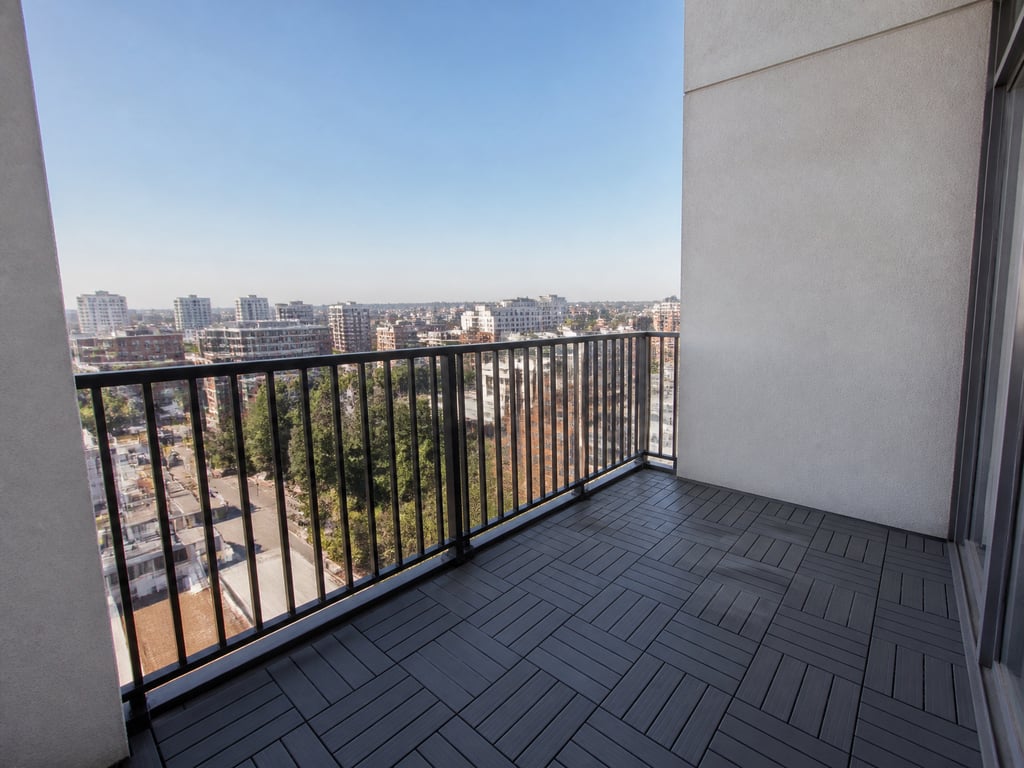
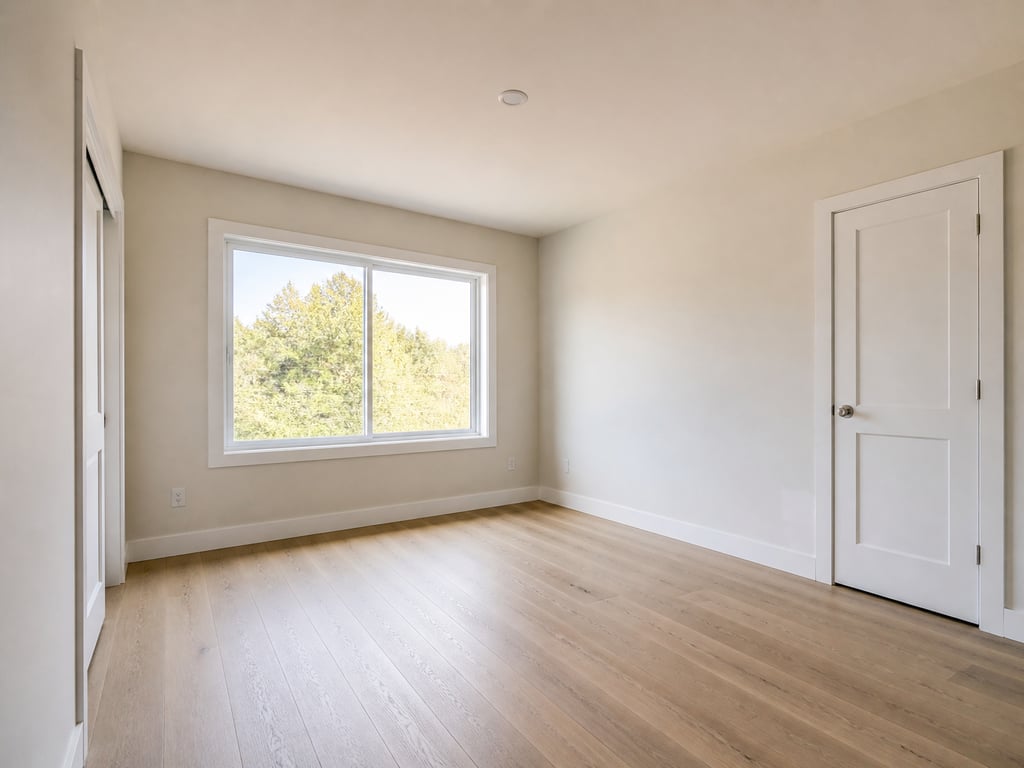
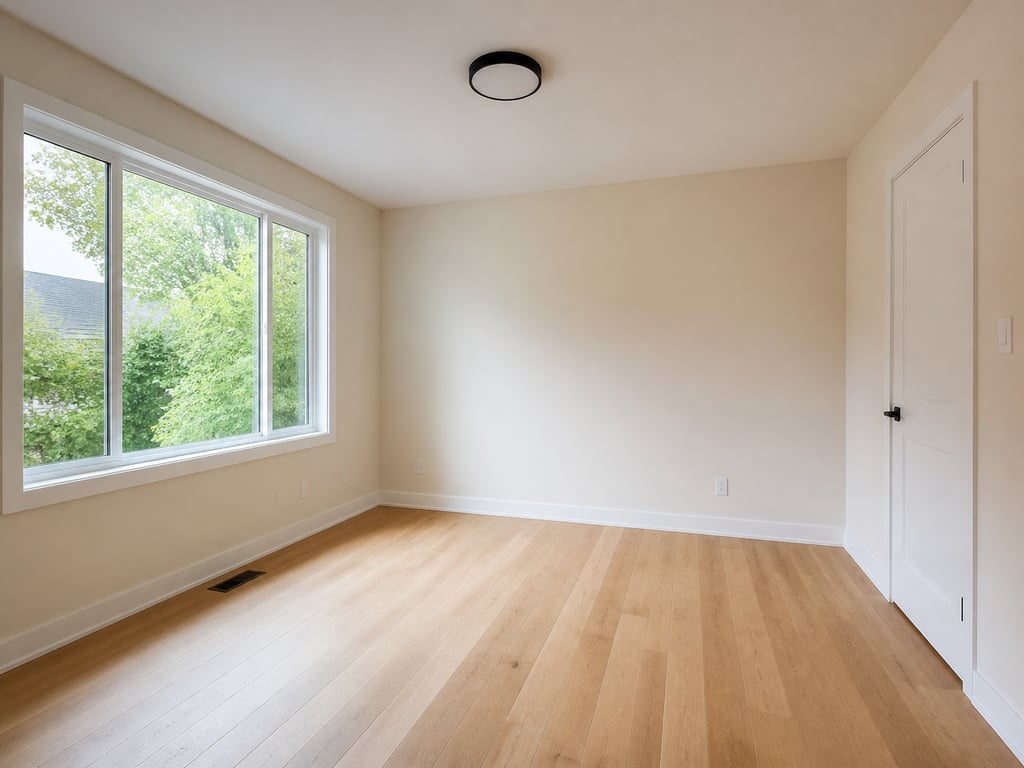
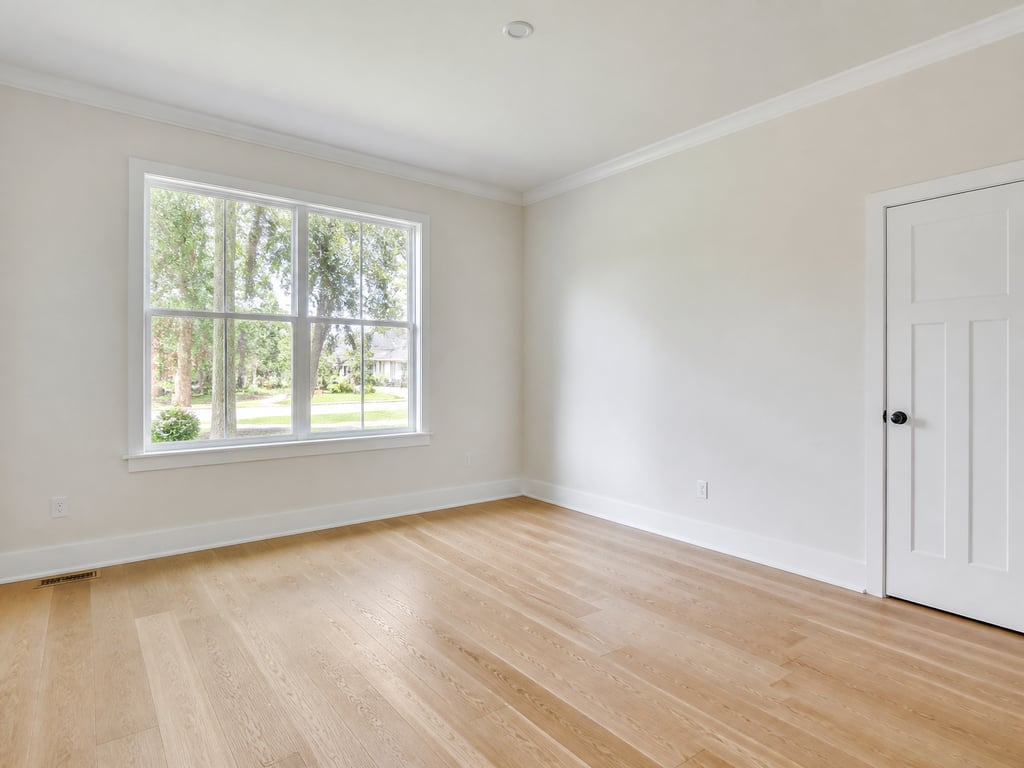
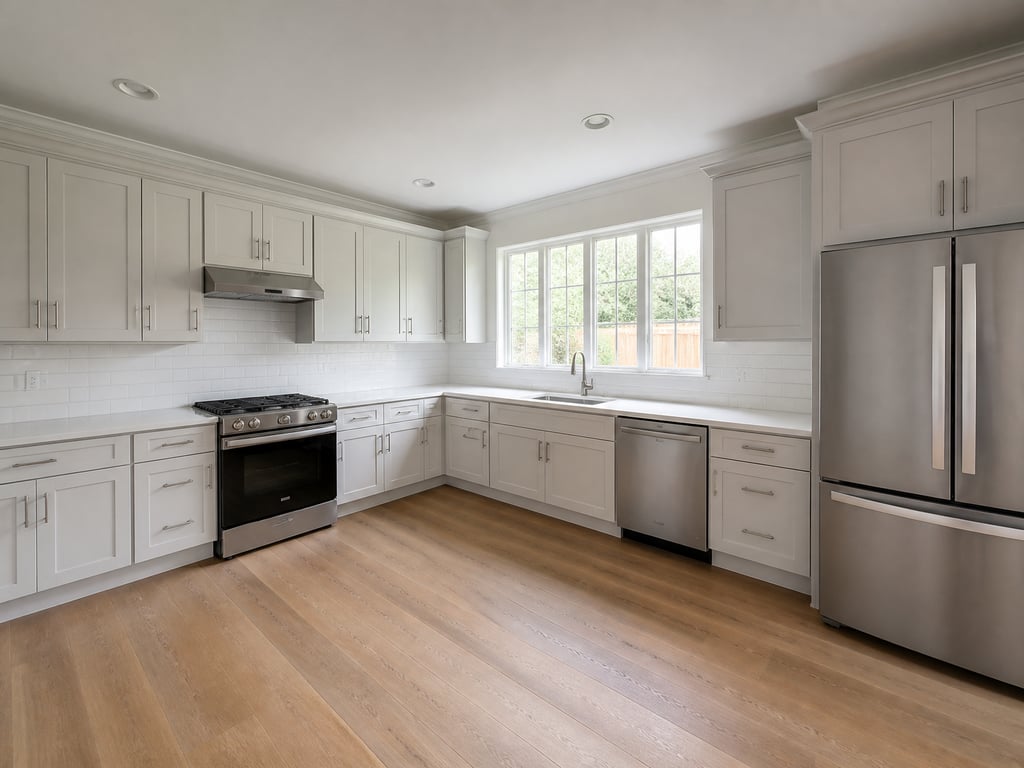
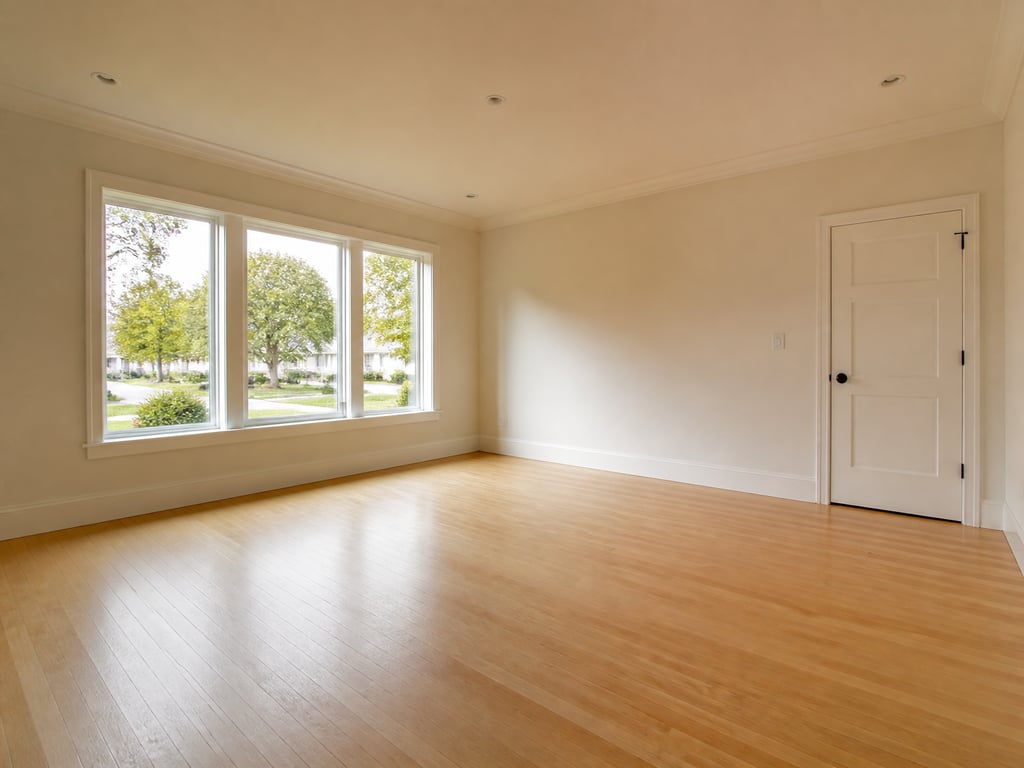
Japandi en pratique
De vraies annonces, mises en scène en Japandi.
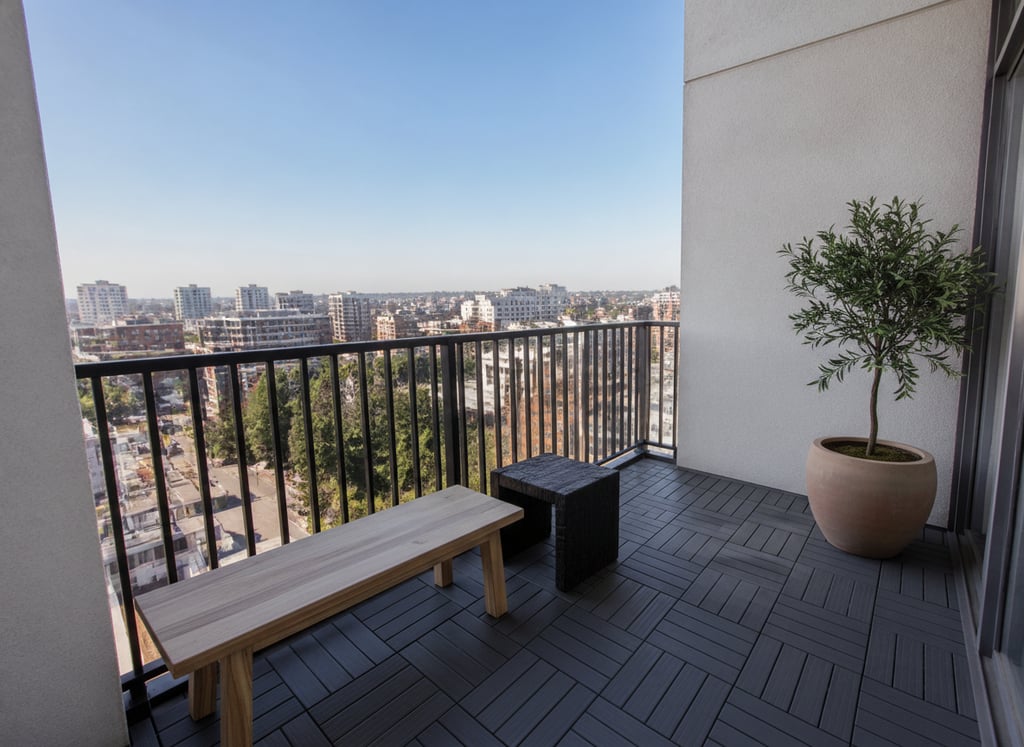 AvantAprès
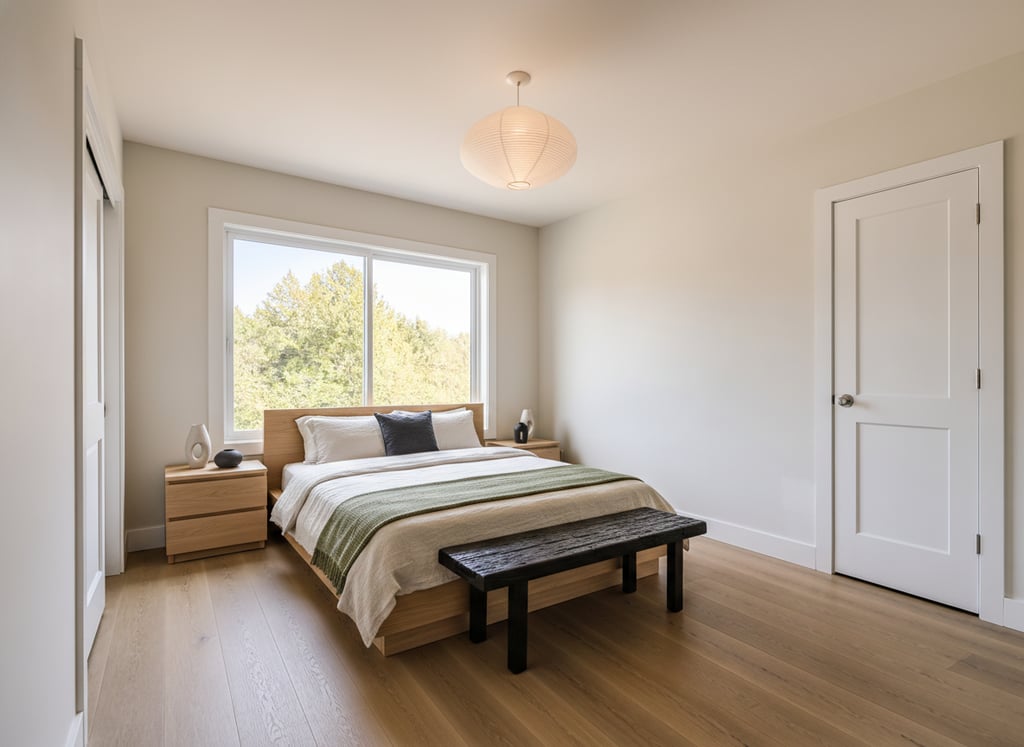 AvantAprès
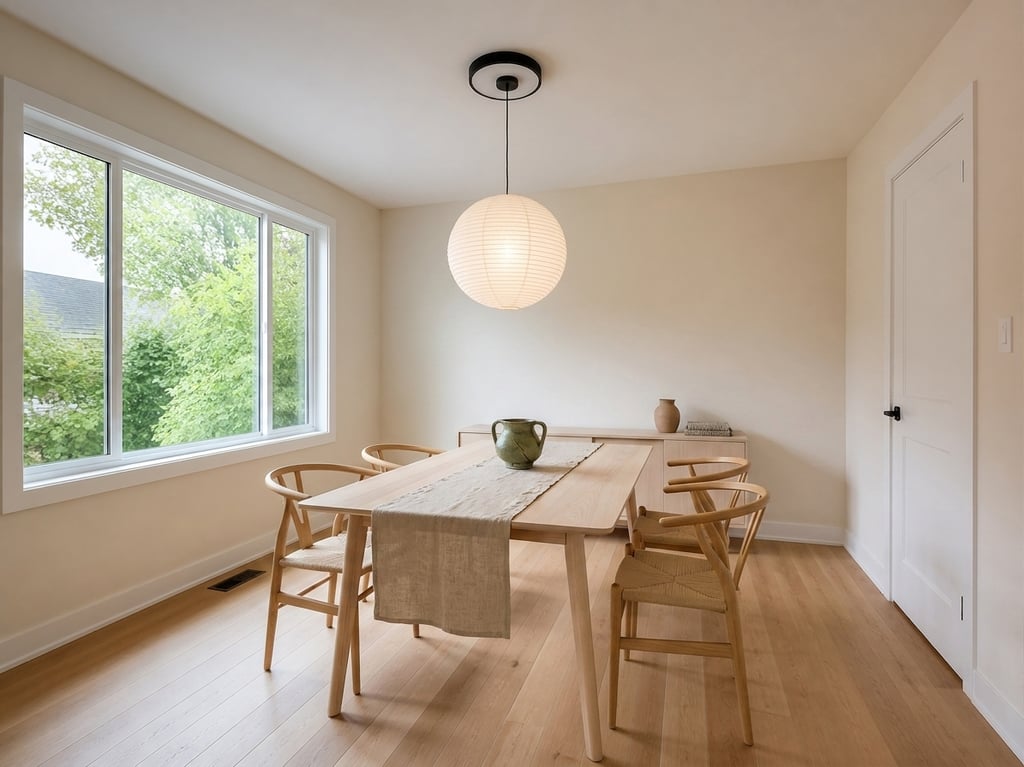 AvantAprès
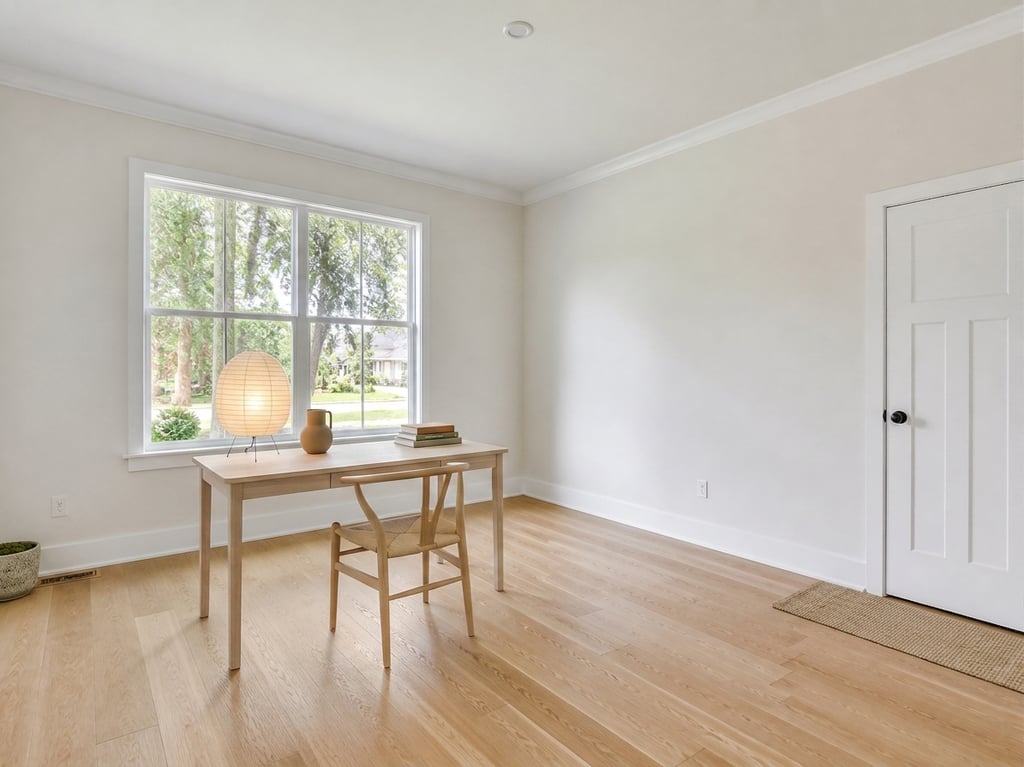 AvantAprès
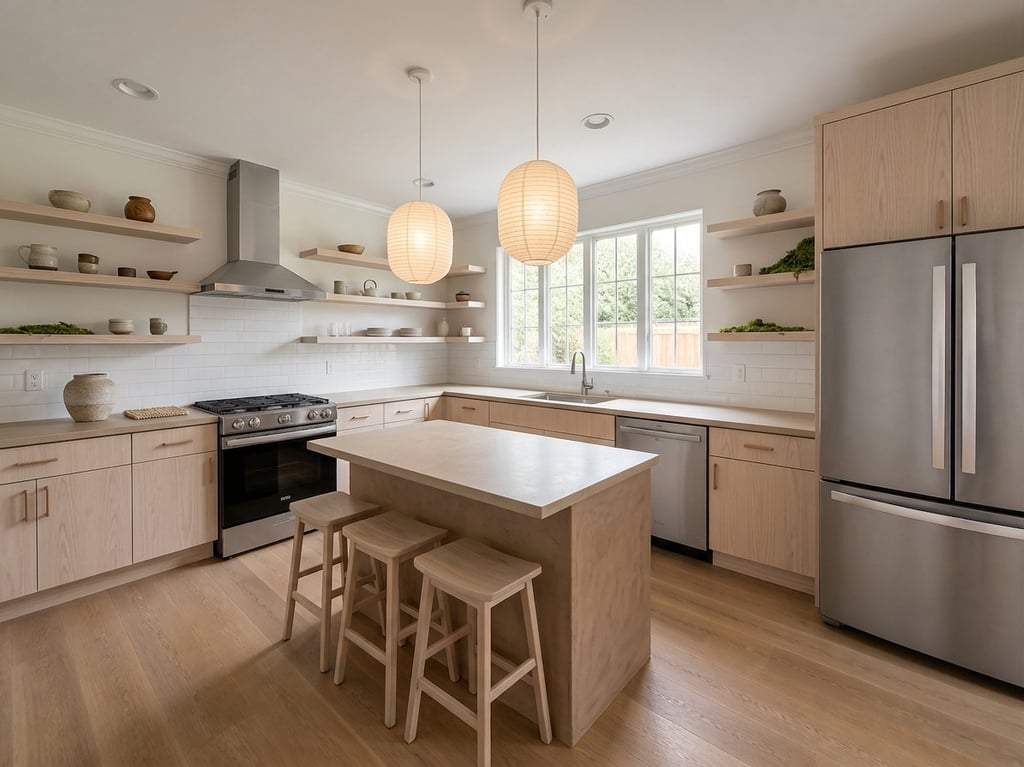 AvantAprès
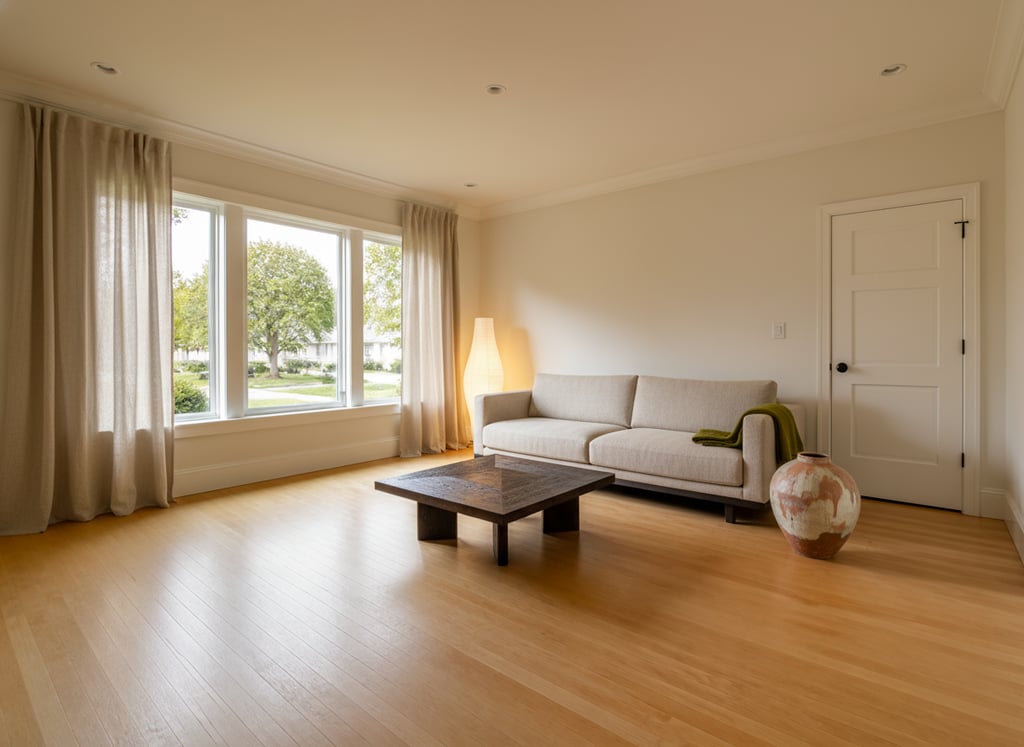 AvantAprès
Questions
What agents ask before staging a condo or small-footprint listing.
Japandi staging — frequently asked
Common questions
No. Minimalism is about reduction — remove until only what's necessary remains. Japandi is about composition — a few carefully chosen pieces, in dialogue with each other, in a room that has deliberate empty space. The vocabulary matters: low furniture (not minimal furniture), pale wood (not white), ceramic and linen (not glass and steel). A minimalist room can be cold. A Japandi room is warm by construction.
It works in both, but the room has to support it. Family homes with open floor plans, plenty of natural light, and rooms large enough to leave deliberate empty space photograph beautifully in Japandi. Family homes with smaller rooms, lots of built-ins, or pre-war detail usually read better in a warmer style — Traditional, Coastal, or a softer take on MCM. The deciding factor is whether the room can give Japandi the breathing room it needs.
Vestaro's Japandi pack tunes warmth deliberately — clay tones, unbleached linen, oiled ash rather than bleached. The output reads serene and considered, not austere. For ultra-high-end ($5M+) listings where buyers expect more material density, the Contemporary Luxury pack is usually a better fit; Japandi sits in the $700K–$3M sweet spot where the buyer values calm.
It defers to it more than most styles. If the bones are good (exposed wood, large windows, clean lines), Japandi amplifies them. If the bones are ordinary (typical mid-2010s production condo), Japandi makes the room feel intentional in a way the original construction doesn't quite earn — which is usually the listing agent's goal.
Get started
Your next listing deserves better photos.
Start staging in seconds. No credit card, no design skills.
Drag & drop your listing photo here
JPG, PNG, WebP, AVIF, HEIC