
1945–1969 · America
Mid-Century Modern staging, designed at the era.
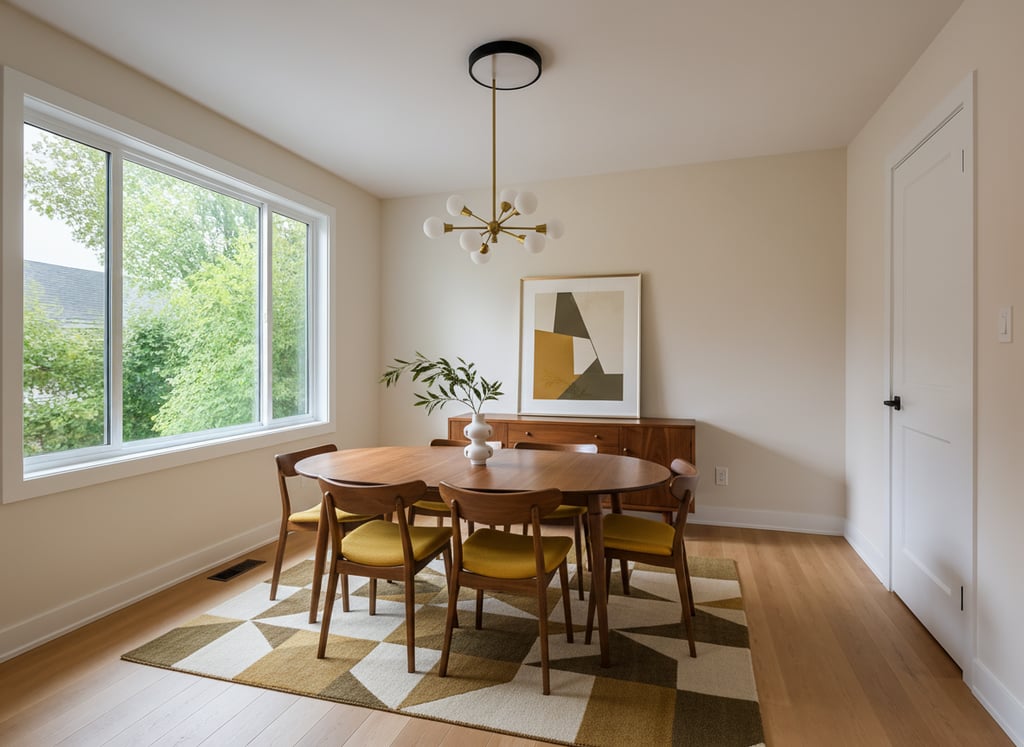
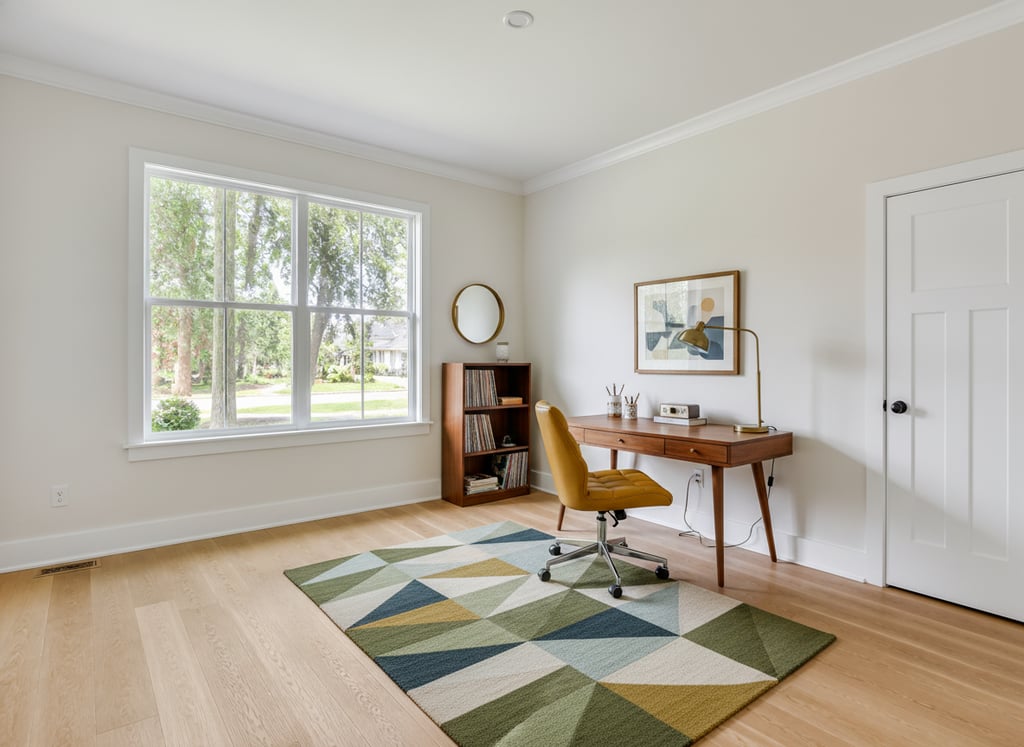
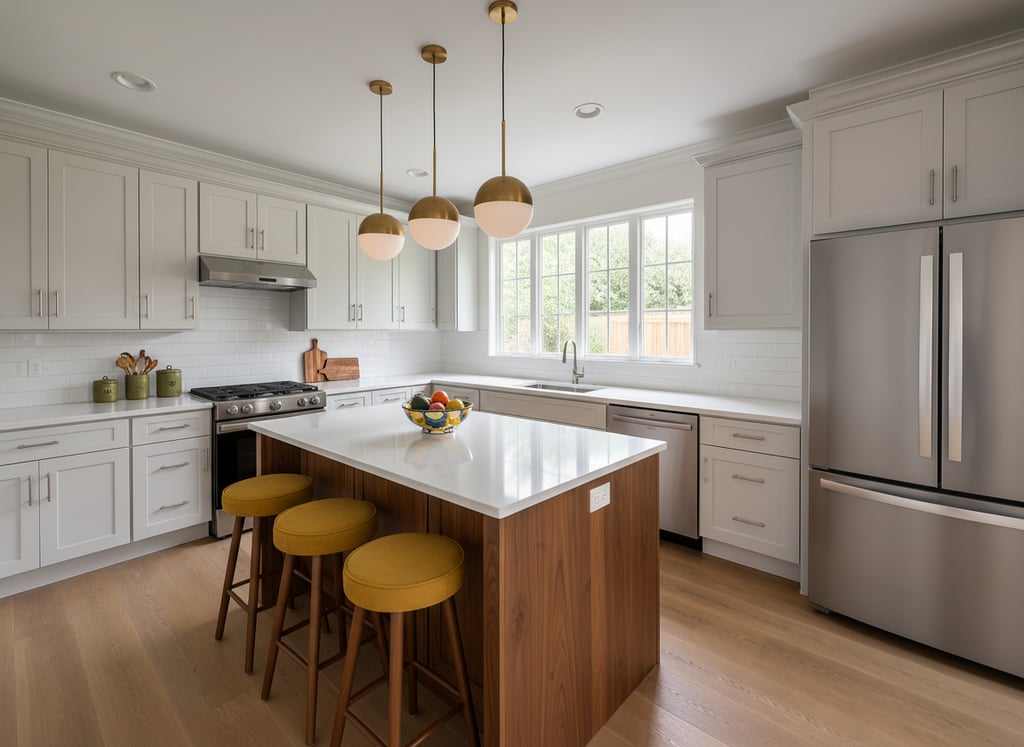
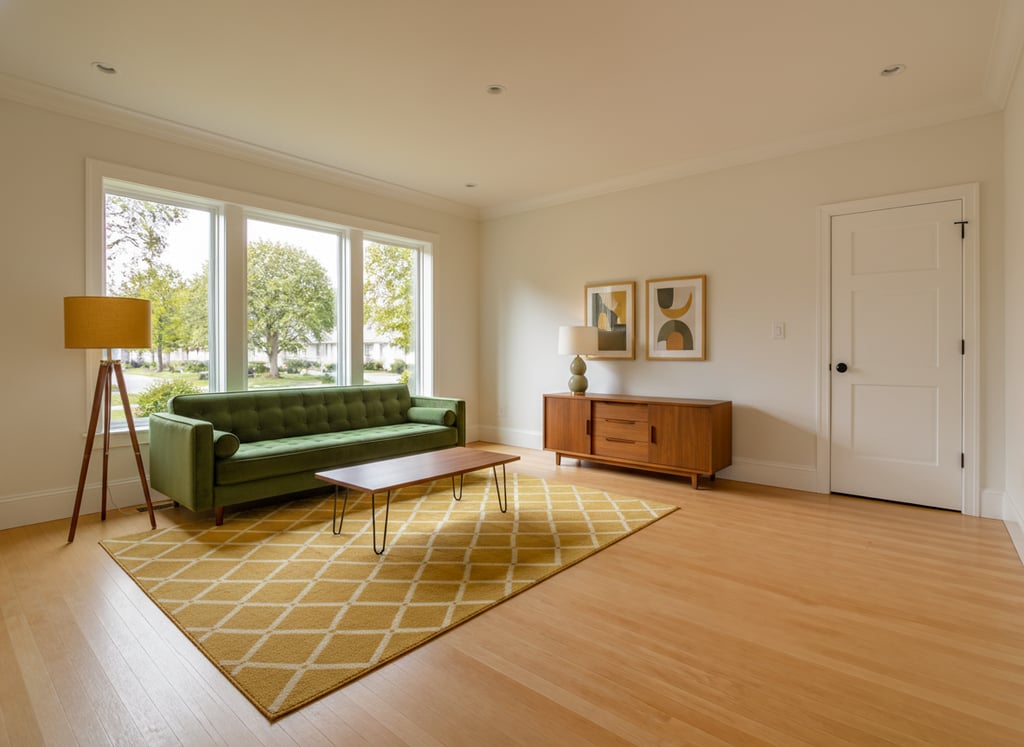
The MCM pack draws from what was originally specified for Case Study houses — Eames lounges, walnut credenzas, ochre and chartreuse against teak — not the vaguely-modern sofa AI tools default to.
Cinq crédits offerts — sans carte bancaire.
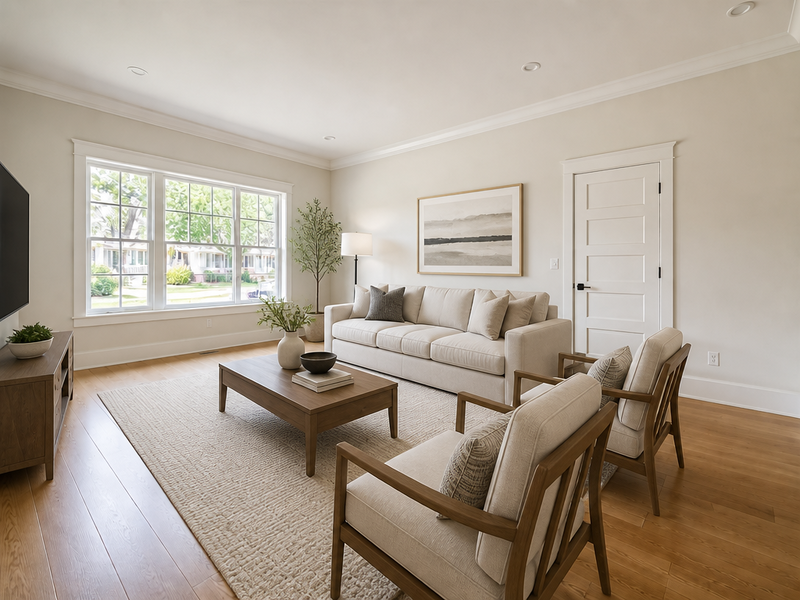 AvantAprès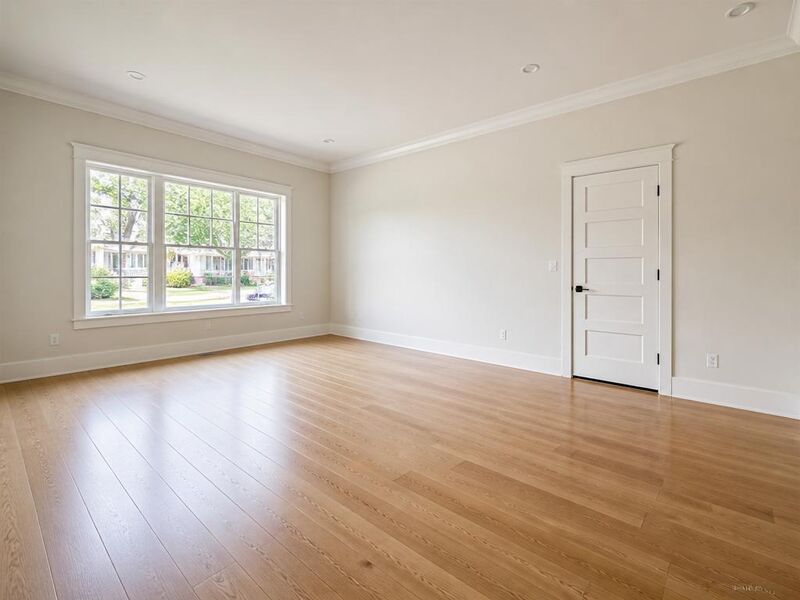
where it came from
The first style designed for the way Americans actually lived.
Mid-Century Modern emerged out of post-war Los Angeles. John Entenza's Arts & Architecture magazine commissioned the Case Study Houses (1945–1966) to figure out what mass-produced, livable architecture could look like for the GI generation. Charles and Ray Eames, Pierre Koenig, Richard Neutra, and Eero Saarinen designed houses where the structure was the décor: post-and-beam frames, floor-to-ceiling glass, integrated planters, low horizontal lines tracking the landscape. The furniture that filled those houses — Eames lounges, Saarinen Tulip tables, Knoll Womb chairs, walnut credenzas — was designed in the same workshops as the architecture. MCM is the rare style where the chair and the house come from one design language.
the material vocabulary
Walnut, teak, fiberglass, wool — in the proportions the era specified.
- Walnut and teak, oil-finished
- Low credenzas, tapered legs, exposed grain. Never lacquered. The MCM pack defaults to walnut for casework and teak for accent furniture — the same split the original era used.
- Molded fiberglass and bent plywood
- Eames shell chairs, Saarinen Tulip pedestals, Womb chairs. Form follows manufacture — the curve is the structure, not decoration on top.
- Wool boucle and leather
- Heathered wool upholstery in ochre, olive, rust. Tan or oxblood leather for lounges. Boucle as a textural accent — never the whole sofa.
- Brass and matte black metalwork
- Sputnik chandeliers, tripod floor lamps, hairpin legs. Brass when the room is warm; matte black when it leans architectural.
the era palette
Saturated mid-tones against warm neutrals — never pastels, never high-contrast.
- Ochre#C68E2AAnchor accent — rugs, lounges, throw pillows
- Walnut brown#5B3A1DCasework, side tables, credenzas
- Avocado green#6B7333Secondary accent — drapery, tile, art
- Persimmon orange#C75B3FPunch color — single chair or art piece
- Bone white#EDE6D6Walls, ceilings — never pure white
where it sings
MCM photographs best in three contexts.
Living room with horizontal lines
Post-and-beam ceilings, floor-to-ceiling glass, low fireplaces. MCM was designed for this room — long sofas with tapered legs and a walnut credenza along the wall read native.
Bedroom with low platform bed
A low platform bed in walnut, twin Tulip nightstands, and a single saturated accent (ochre throw, persimmon art) keeps the room feeling like a 1958 master suite, not a hotel.
Home office or den
Eames lounge + ottoman in a corner, walnut desk with hairpin legs, Sputnik pendant overhead. MCM gives dens a quiet authority without feeling stiff.
Mid-Century Modern en pratique
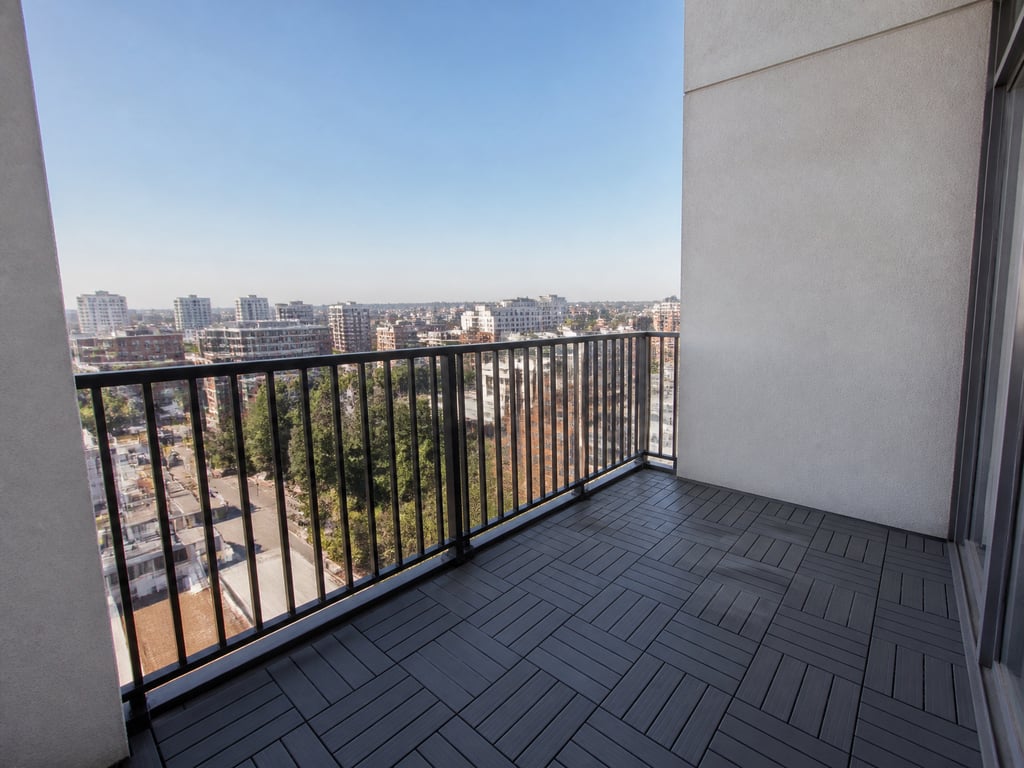
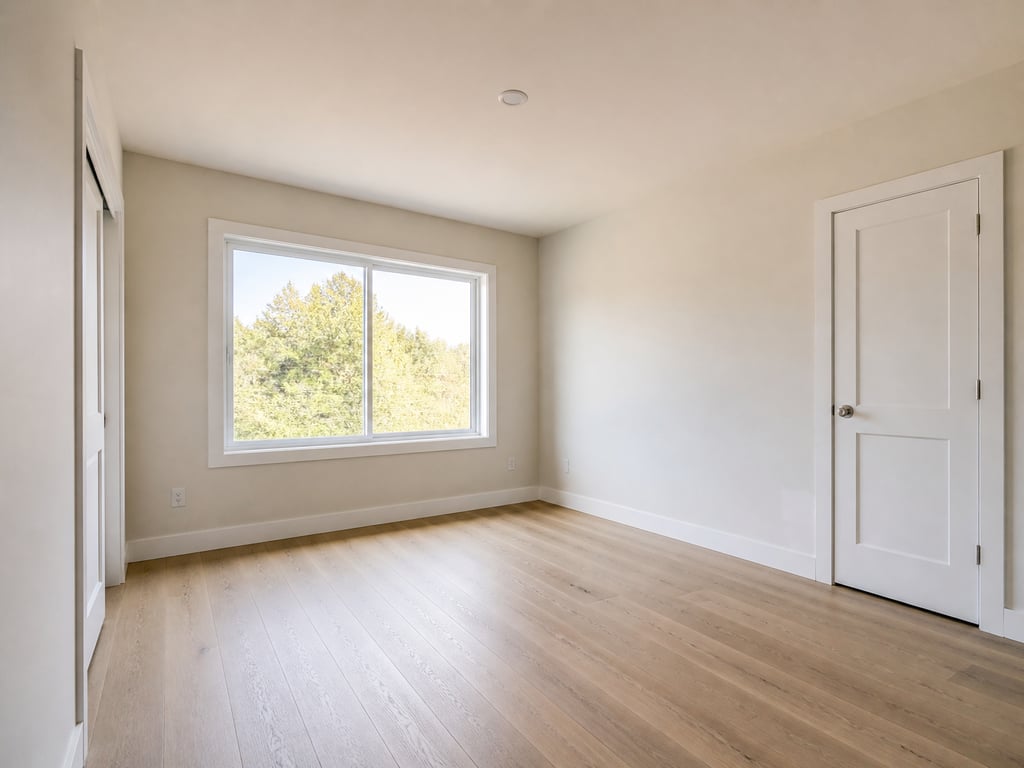
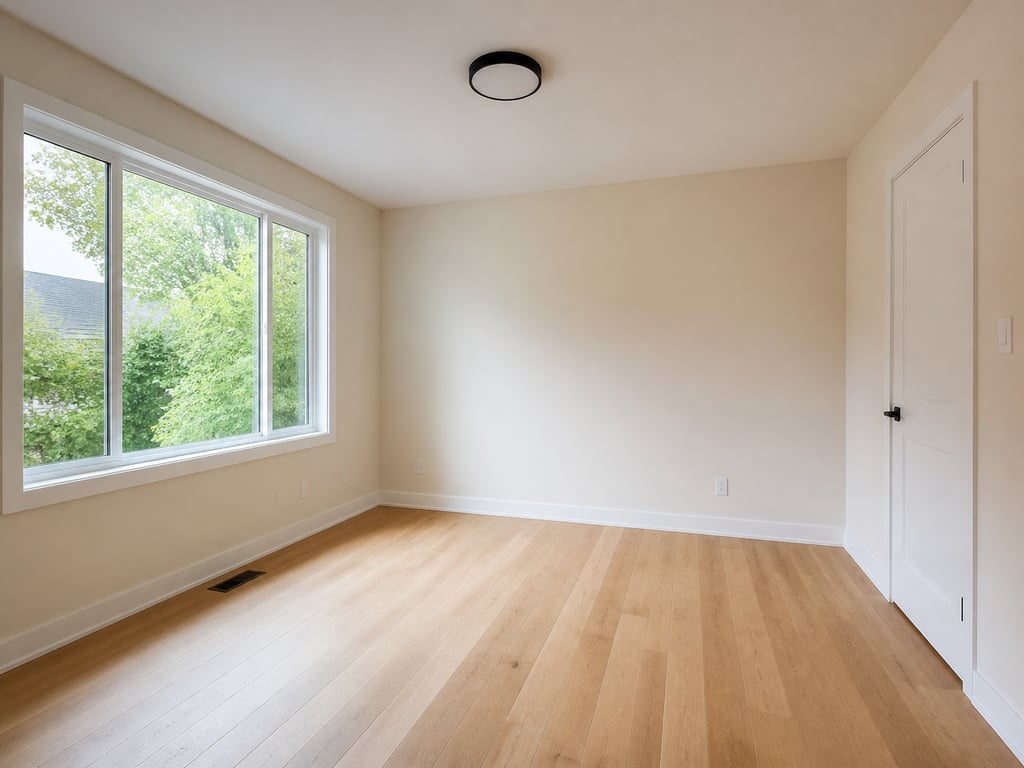
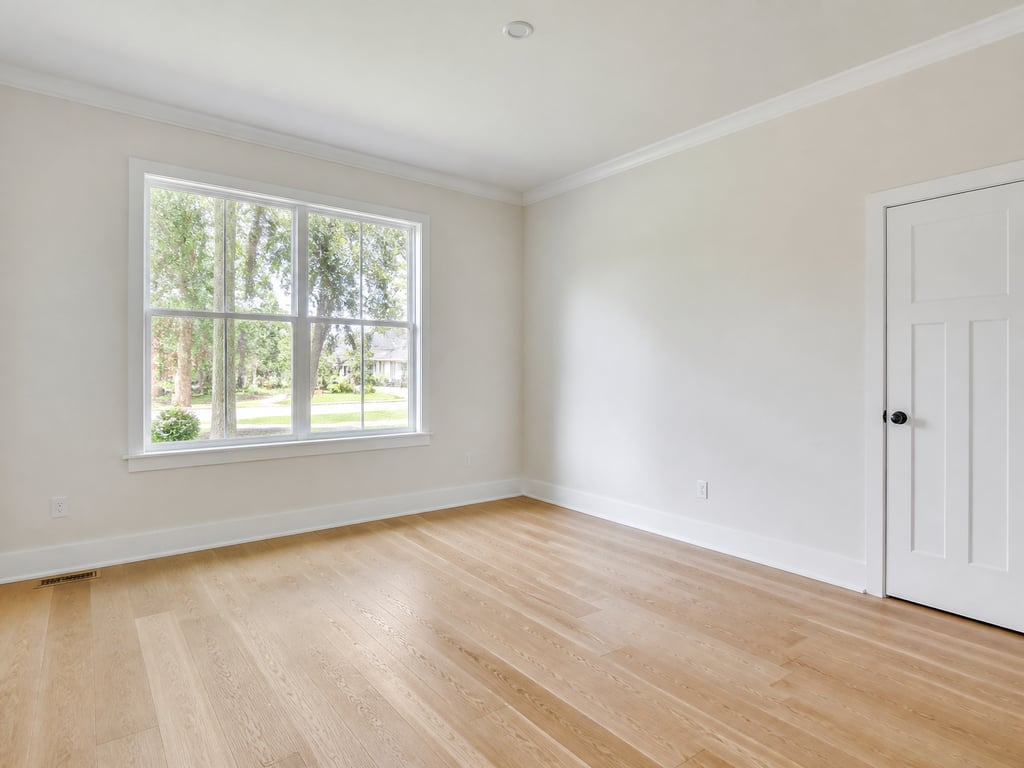
De vraies annonces, mises en scène en Mid-Century Modern.
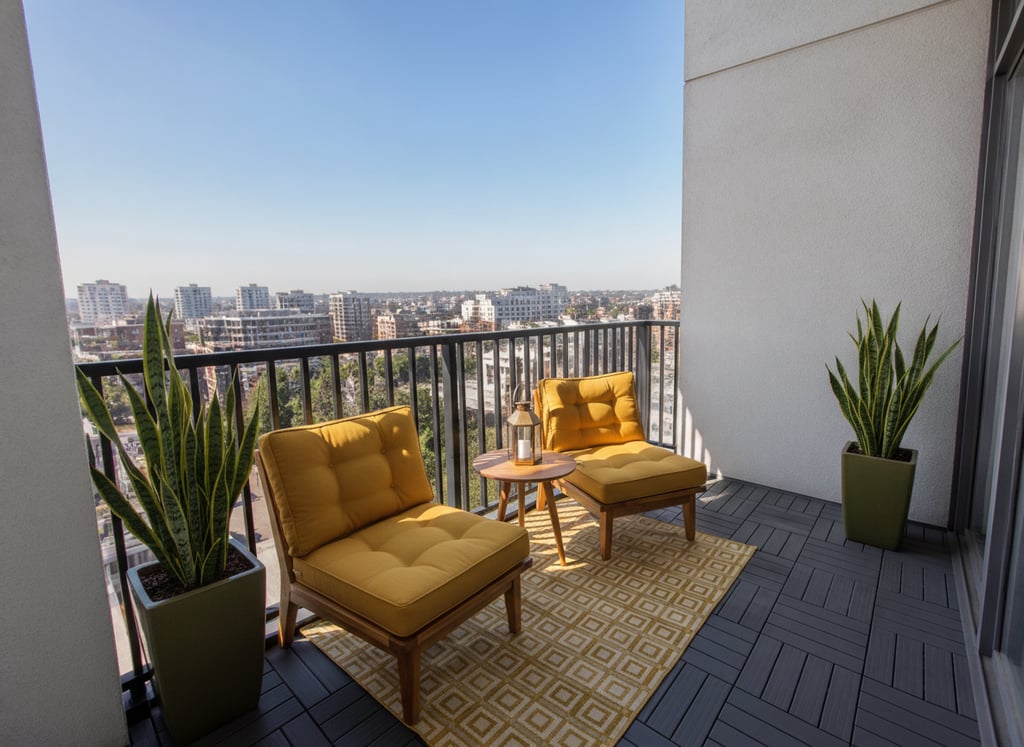 AvantAprès
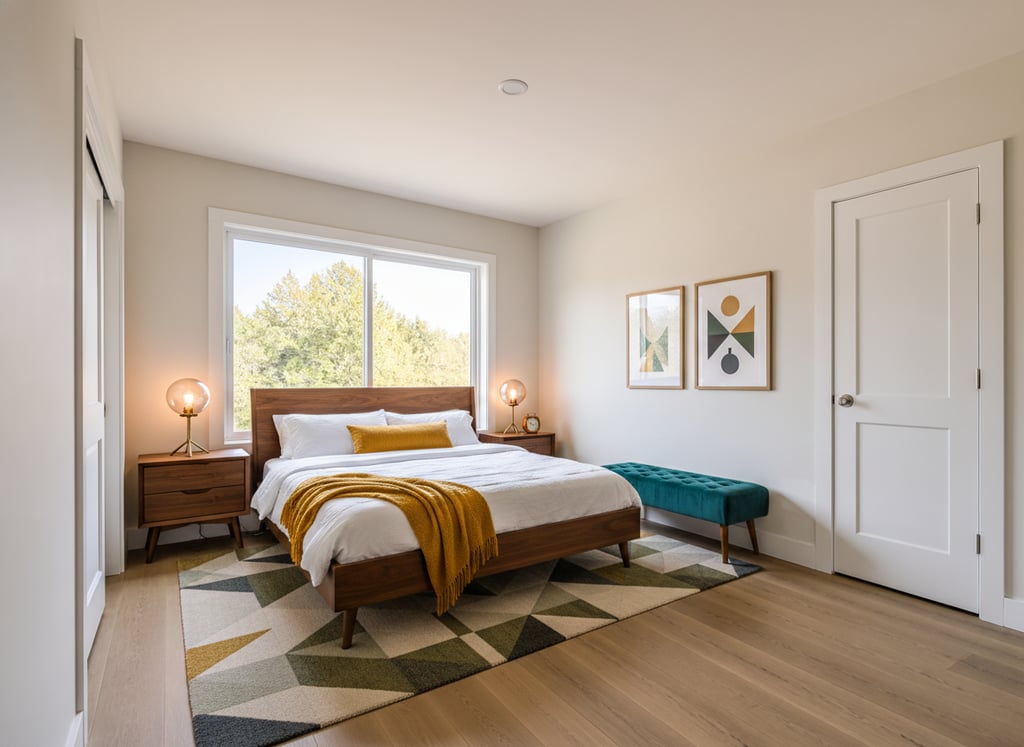 AvantAprès
 AvantAprès
 AvantAprès
 AvantAprès
 AvantAprès
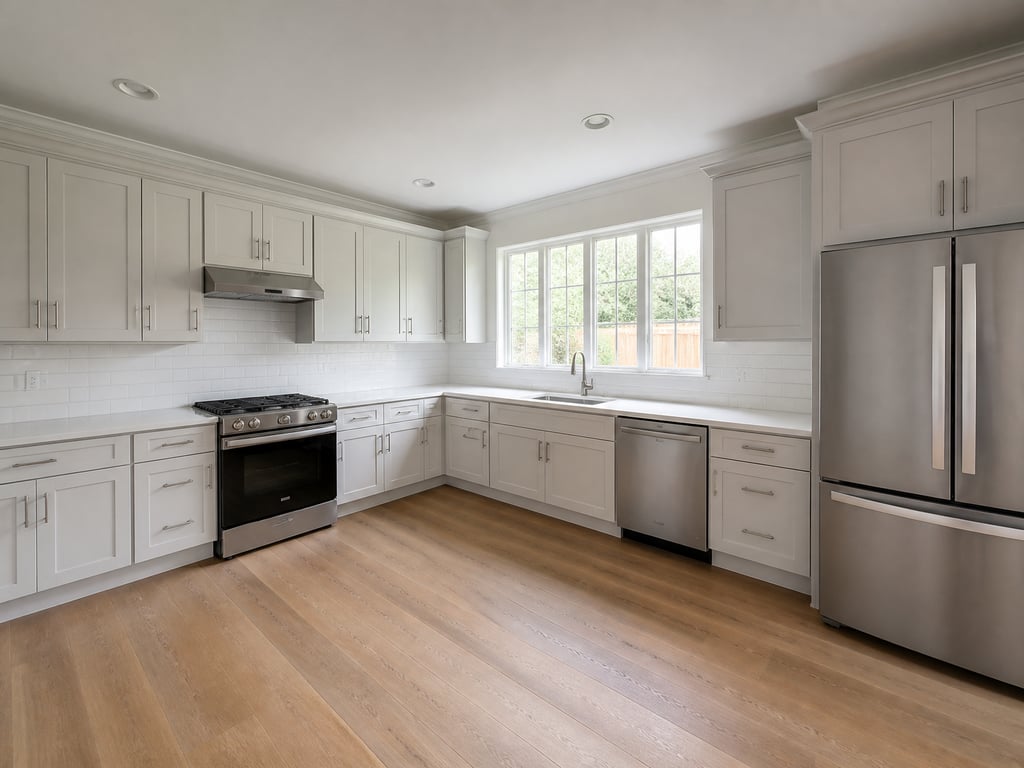
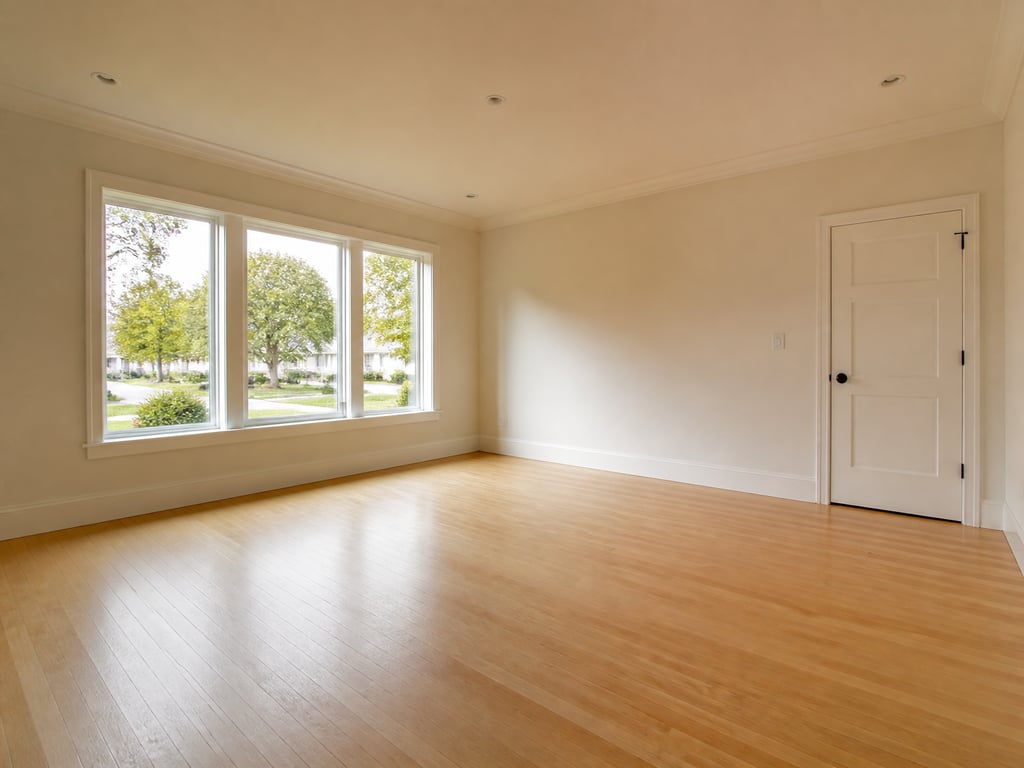
Là où Mid-Century Modern se vend
Les villes où Mid-Century Modern sonne juste.
Questions
The questions agents ask before switching to the MCM pack.
Mid-Century Modern staging — frequently asked
Common questions
Both are mid-20th-century, both use light wood and clean lines — and most AI staging tools collapse them into one 'modern' pack. They're different languages. MCM uses walnut and teak (warm browns), saturated mid-tones (ochre, avocado, persimmon), and lower-profile furniture descended from American post-war design. Scandinavian uses ash and birch (pale woods), pale neutral palettes, and slightly higher silhouettes from the Danish-Swedish design tradition. In a Case Study house, MCM is the right call; in a renovated Cape Cod or coastal cottage, Scandi often reads better.
Yes, with judgment. Many 1940s–1960s ranches, split-levels, and bungalows have MCM-adjacent bones — low horizontal lines, attached carports, large windows — even when they're not strict Case Study houses. The MCM pack reads beautifully in them. For pre-war architecture (Spanish Revival, Tudor, Craftsman), use the period-appropriate pack instead.
It photographs as a real home, but only if you keep the styling restrained. MCM goes wrong when it tips into theme-park mid-century — three Eames chairs, an orange sectional, a Sputnik chandelier, and a starburst clock in the same shot. The Vestaro pack defaults to one or two saturated accents per room and lets the architecture carry the rest. Buyers see a house that's been thoughtfully furnished, not a 1962 set.
Start with the standard Virtual Staging tool and choose 'Mid-Century Modern' from the style picker. For listings that need lighting work first, run Day-to-Dusk or HDR Balance before staging so the MCM furniture lands on the right exposure. For exterior shots of MCM houses (carports, decks, landscaping), Sky Replacement and Lawn Replacement clean up the surroundings without touching the architecture.
Get started
Your next listing deserves better photos.
Start staging in seconds. No credit card, no design skills.
Drag & drop your listing photo here
JPG, PNG, WebP, AVIF, HEIC