
Vestaro

Glossary / Cleanup

HDR real estate photography

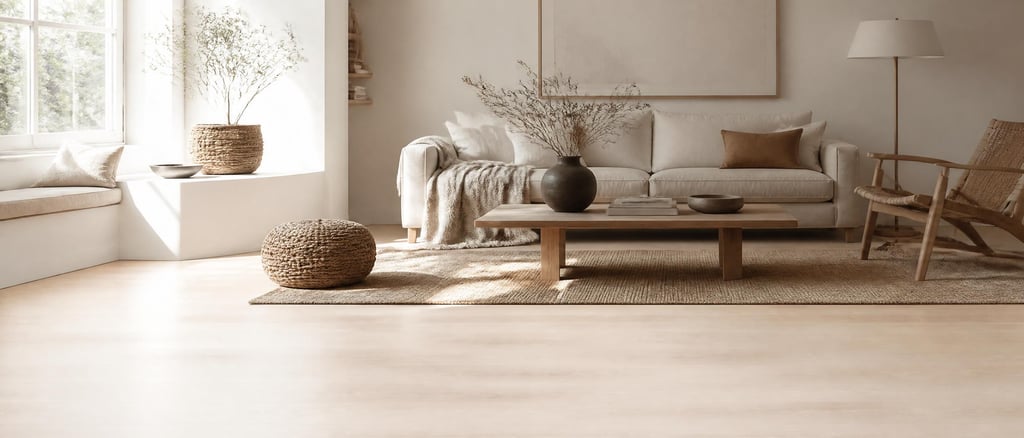
HDR blends several exposures of the same room into one balanced photo, so bright windows and dim interiors are both correctly exposed — a window view and a lit room together.

In short

HDR — high dynamic range — real estate photography combines multiple exposures of the same scene into a single image where both the dark interior and the bright window view are properly exposed.

A single exposure usually can't hold both: expose for the room and the windows blow out to white; expose for the windows and the room goes dark. HDR balancing resolves that range so the room looks the way the eye actually sees it.

Stand in a room on a sunny day and you see both the furniture around you and the garden through the window. Point a camera at the same scene and you can't keep both — meter for the room and the windows turn to white; meter for the view and the room falls into shadow. HDR photography closes that gap.

How it works

The photographer captures several frames of the identical scene at different exposures — one for the shadows, one for the midtones, one for the highlights — and those frames are merged into a single image that holds detail across the whole range. HDR balancing is the finishing step that blends them naturally, so the window view is visible and the interior is evenly lit at once.

Why it matters for listings

A blown-out window reads as a missing view; a dark room reads as a dim, unappealing space. Balanced exposure shows the room as buyers would experience it in person — bright, open, and with its views intact. It's foundational interior work that the other edits build on.

Where it fits

HDR is about exposure and dynamic range, not about changing content. It pairs naturally with sky replacement — once a window or exterior is correctly exposed, a dull sky beyond it can be improved — and with object removal for cleaning up distractions in an otherwise well-exposed frame.

Do this in Vestaro

HDR balance tool

Related terms

Frequently asked

Why can't one photo capture both the room and the window?

The brightness gap between a dim interior and a sunlit window exceeds what a camera sensor can record in one exposure. The eye adapts continuously and sees both; a single photo has to pick one, so the other clips to pure black or pure white. HDR merges several exposures to keep both.

Is HDR balancing an honest edit?

Yes. It reproduces what a person standing in the room actually perceives — a lit interior and a visible view at the same time — rather than the limitation of a single camera exposure. It corrects the camera, not the property.

Does HDR make photos look unrealistic?

Overdone HDR can look flat or surreal, with halos and crushed contrast. Done well, it looks natural — the window view is visible, the room is evenly lit, and the result reads as a clean, professional photo rather than an obvious composite.